Osteoarthritis and Joint Pain at Night

Managing Osteoarthritis-Related Joint Pain at Night: What Healthcare Providers Should Know
Nocturnal pain is frequently part of the pain experience for patients with osteoarthritis and is frequently highlighted as a concern by patients with OA of the hip and knee.1 Explore clinical strategies like including exercise, sleep hygiene, and OTC analgesics to help patients manage joint pain and improve sleep quality.
Osteoarthritis affects the entire joint
Osteoarthritis is the most common form of arthritis in the U.S., affecting more than 32.5 million adults and affecting the entire joint: cartilage, subchondral bone, synovium, ligaments and menisci.4 Because of multifactorial contributions (mechanical, biologic, inflammatory), OA exhibits heterogeneity in its progression and clinical manifestations.4
How does OA joint pain at night affect sleep?

How Poor Sleep Worsens Pain and Overall Wellness
Evidence indicates a bidirectional relationship between sleep disturbance and chronic pain, including osteoarthritis (OA).1,7
- Epidemiologic data show that individuals reporting <6 hours of sleep nightly have increased risk and severity of painful conditions, independent of arthritis status.
- OA-specific studies confirm an association between knee pain and sleep disturbance, though pain accounts for only a modest portion of sleep variance, suggesting multifactorial influences (e.g., psychosocial and affective factors).
- Sleep and mood are closely linked: poor perceived sleep quality correlates with increased negative affect and depressive symptoms, while objective sleep measures show weaker associations, highlighting the importance of subjective sleep perception in mood regulation.
- Functional implications: Sleep disturbance may act as a predisposing or mediating factor for functional decline in OA, likely through interconnected effects on pain and depression.
Over time, sleep deprivation can affect mobility, concentration, and adherence to treatment plans, making it harder for patients to maintain an active lifestyle or follow through with physical therapy. Addressing sleep quality is therefore essential not only for comfort but also for long-term joint health and functional recovery.7
Nocturnal Joint Pain Management Strategies to Improve Sleep Quality
Non-Pharmacologic Approaches
Encourage patients to combine sleep hygiene and physical care practices:5,8
- Keep a sleep diary to spot patterns
- Engage in low-impact exercise, such as swimming or yoga, to ease stiffness.
- Use heat therapy—like a warm bath—before bed to relax joints and muscles.
- Use supportive pillows or mattress toppers for joint comfort.
- Maintain consistent sleep and wake times, avoiding caffeine or heavy meals before bed.
These behavioral adjustments may help reduce nighttime pain triggers and promote more consistent rest.
Pharmacologic Support for Nighttime Joint Pain Relief
For mild to moderate OA pain that interferes with sleep, a dual-action over-the-counter pain medication can offer short-term relief.4,8
Advil PM is one example:
- Ibuprofen is indicated for relief of minor pain and inflammation associated with OA.
- Diphenhydramine, a nighttime sleep aid, helps patients fall asleep and stay asleep longer.
Advil PM is clinically proven to relieve occasional sleeplessness associated with minor nighttime aches and pains, including:
- Headaches
- Muscle aches
- Minor arthritis pain
- Joint pain
This combination may be suitable for adults who need temporary support while addressing nighttime discomfort. Healthcare providers should discuss proper dosing, contraindications (e.g., gastrointestinal conditions, kidney issues), and duration of use to ensure safety.
Better Sleep Begins with Pain Control
Effective management of joint pain at night and sleep disruption in osteoarthritis can significantly improve patient outcomes. Combining lifestyle adjustments with appropriate pharmacologic strategies—such as Advil PM for short-term nighttime relief—can help patients regain restorative sleep and improve their daytime function.
For healthcare providers, integrating sleep quality into the broader pain management plan supports better physical recovery, emotional resilience, and long-term joint health.
Learn more

What causes musculoskeletal pain?
Learn more about the common causes of musculoskeletal pain.
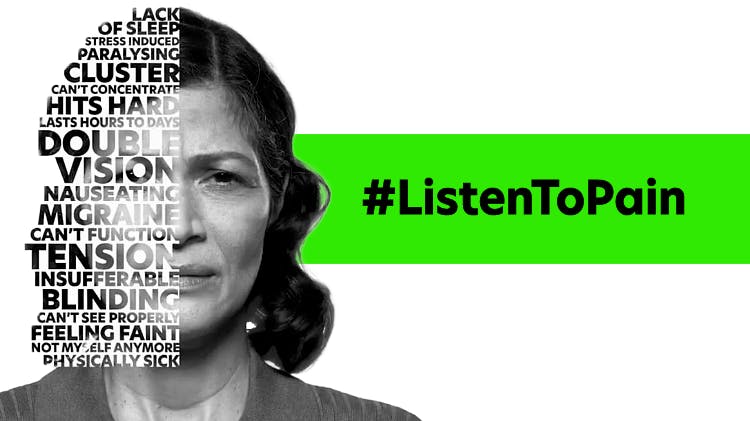
Listen To Pain
Explore our tools & resources designed to help you have better conversations with your patients.

What are the signs of musculoskeletal pain?
Learn more about the common signs and symptoms of musculoskeletal pain.


How can patients manage their pain?
Brush up on common treatment strategies for musculoskeletal pain sufferers.