


Your student guide to gingival health

Gingival health: Overview
Gingival health is central to oral health. Periodontal disease is a leading cause of tooth loss and can result in tooth sensitivity, chewing discomfort, and compromised fit of dental appliances.1
Keeping gums healthy between professional cleanings can be challenging for patients. According to CDC reports, about 1 in 2 men and 1 in 3 women 30 years or older have some level of periodontitis.1
Without regular brushing and professional cleanings, these patients could be on the path to severe periodontitis.
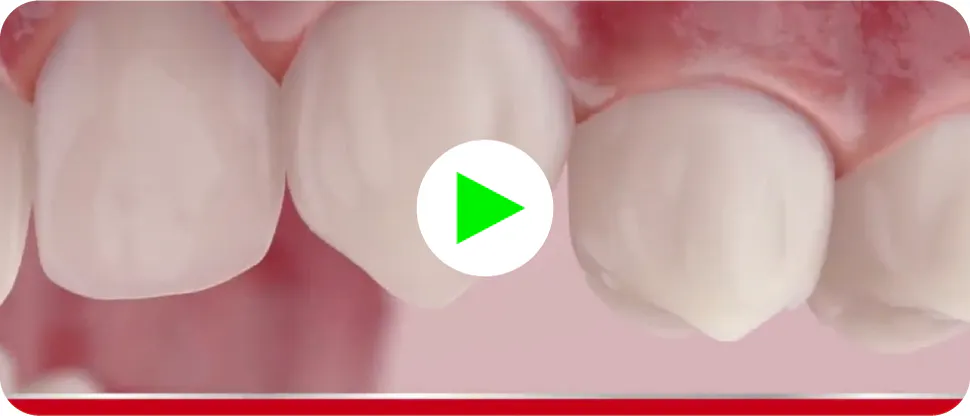
What causes gingival health issues?
The number one cause of gingivitis is poor oral hygiene leading to a buildup of plaque and bacteria along the gingival margin and between the teeth.2
Plaque bacteria can cause inflammation in the surrounding gingiva known as gingivitis.2,3
Plaque can spread and grow below the gum line. Toxins produced by the bacteria in plaque irritate the gums. The toxins stimulate a chronic inflammatory response in which the body in essence turns on itself, and the tissues and bone that support the teeth are broken down and destroyed. As the disease progresses, the pockets deepen and more gum tissue and bone are destroyed.3
However, the early symptoms of gingival disease may be ignored for a number of possible reasons, including the belief that bleeding gums are ‘normal’.4
Click here to learn more about the causes of gingival disease.

How could gingival health problems impact patients?
Bleeding gums and gingivitis can have a significant impact on your patients' social and emotional well-being, including feelings of anxiety, embarrassment and feelings of isolation as patients deal with the condition alone.5
Periodontal disease is also associated with a number of systemic conditions. Periodontal inflammation may impair the gingival barrier, allowing bacteria to enter the bloodstream and potentially impact systemic health.6
Conditions associated with periodontal disease include:6-8
- Cardiovascular disease
- Diabetes
- Adverse pregnancy outcomes
- Dementia
- Social anxiety and low self-esteem

Diagnosing gingival health problems
Early detection of the clinical signs of gingivitis is key to preventing the disease from progressing.3
Early changes are often visible during clinical examination, so it is important to know what to look for. Gingivitis may be characterized by the presence of any of the following clinical signs:9
- Redness and edema of the gingival tissue
- Bleeding upon provocation
- Changes in contour and consistency
- Presence of calculus and/or plaque
- No radiographic evidence of crestal bone loss
Click on the image to learn more about diagnosing gingivitis.
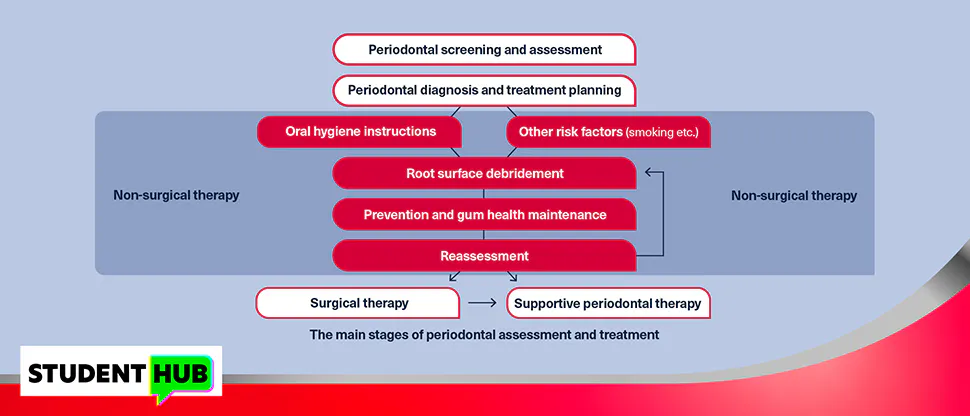
Managing gingival health problems
Gingivitis is reversible with professional treatment and good home care.3
For most patients with early to moderate periodontal disease, non-surgical therapy is highly effective.6 The therapeutic goal is to establish gingival health through elimination of plaque, calculus and plaque-retentive factors.9
Regular advice for your patients’ daily care regime should include:10
- Twice-daily brushing with specialized anti-gingivitis toothpaste to help control bacteria11,12
- Daily interdental plaque control between the teeth to below the gingival margin
- Be aware of risk factors e.g. smoking and genetics

Dentin Hypersensitivity
Learn how to identify, diagnose, and manage dentin hypersensitivity to improve patient outcomes.

Enamel Erosion
Learn how to identify, diagnose, and manage enamel erosion to improve patient outcomes.

Dental Appliance and Denture Care
Learn how to support patients as they adjust to dentures and help them achieve the best possible outcomes with their dental appliances.
