


Your student guide to dentin hypersensitivity
Dentin Hypersensitivity: An Overview
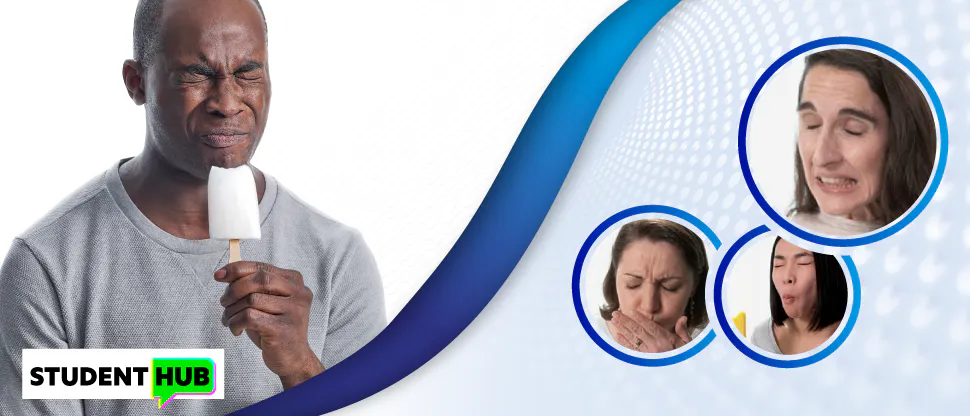
A common and often underdiagnosed condition affecting up to 50% of adults,1 dentin hypersensitivity (DH) is described as a short, sharp pain arising from exposed dentin in response to a stimulus, which cannot be attributed to any other form of dental defect or pathology.2
People who suffer from dentin hypersensitivity report a significant impact on their quality of life, experiencing pain while eating, drinking, brushing their teeth and breathing cold air.3 Although dentin hypersensitivity can be managed, many patients avoid discussing the condition with their dentist.4
What causes dentin hypersensitivity?
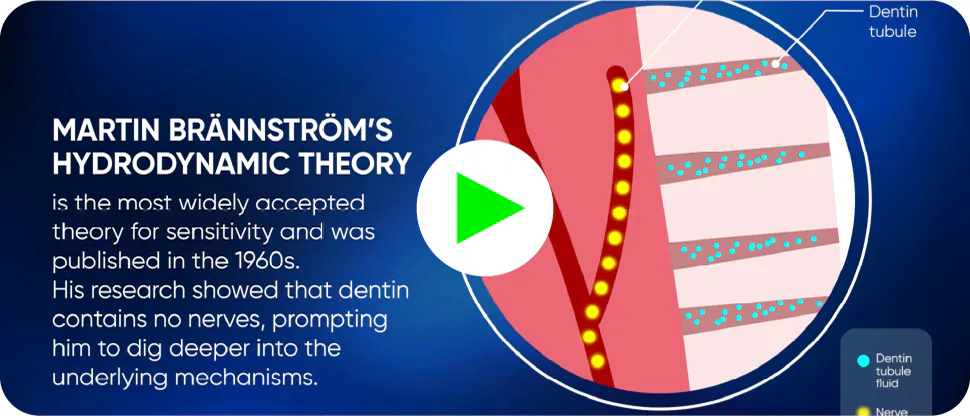
- Dentin hypersensitivity arises when tubules found within dentin become exposed2
- Once exposed, these tubules may come into contact with stimuli such as hot, cold and sweet foods and drinks, which can induce the movement of fluid within the tubules.2
- Such movement can trigger nerves in the pulp, which may induce a short, sharp pain.2
Click on the image to learn more about the causes and mechanism of dentin hypersensitivity.

How does dentin hypersensitivity impact patients?
Dentin hypersensitivity can have a severe impact on patients’ quality of life, and force them to adapt their everyday behaviors to try and avoid triggering sensitivity pain:
- 93% change the way they eat or drink certain things*5
- 68% modify their brushing technique, potentially putting their oral health at additional risk*5
- 73% find going to the dentist hard because of the pain of their sensitive teeth*5
Click on the image to learn more about the ways DH impacts patients’ quality of life.
*Based on a RWE QoL study (n+491) with continued twice daily use
Diagnosing dentin hypersensitivity
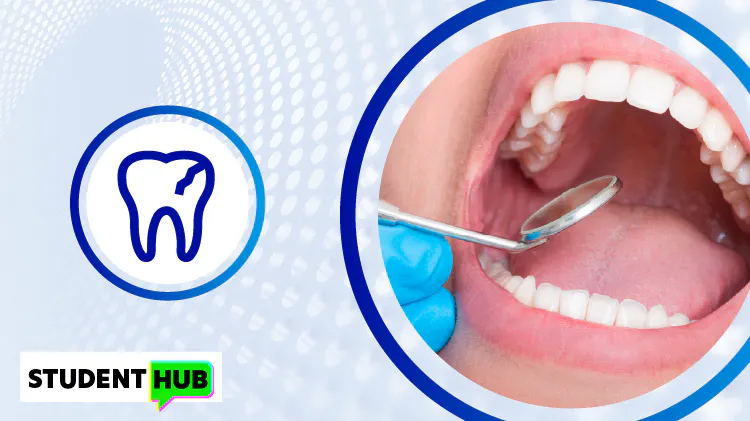
There are a number of conditions with symptoms similar to dentin hypersensitivity, including cracked tooth syndrome, fractured teeth and dental caries. These conditions should be excluded before confirming a dentin hypersensitivity diagnosis.6
Dentin hypersensitivity diagnosis can be confirmed by using a dental probe to check response to tactile stimulus or an air blast to check response to cold stimulus.7
The pain they experience can be quantified using a scale such as the Schiff or VAS scales.7
Patients may be reluctant to discuss their sensitive teeth, because:4,8
- They think there’s not enough time
- They think there’s no solution
- They think it’s not serious or worthy of your attention
- Dental anxiety
- They think it could be a bigger issue, which could be costly
Because of this, it’s important for you to start the conversation yourself, and ask them about sensitivity.
Click on the image to learn more about diagnosing DH.
Managing dentin hypersensitivity
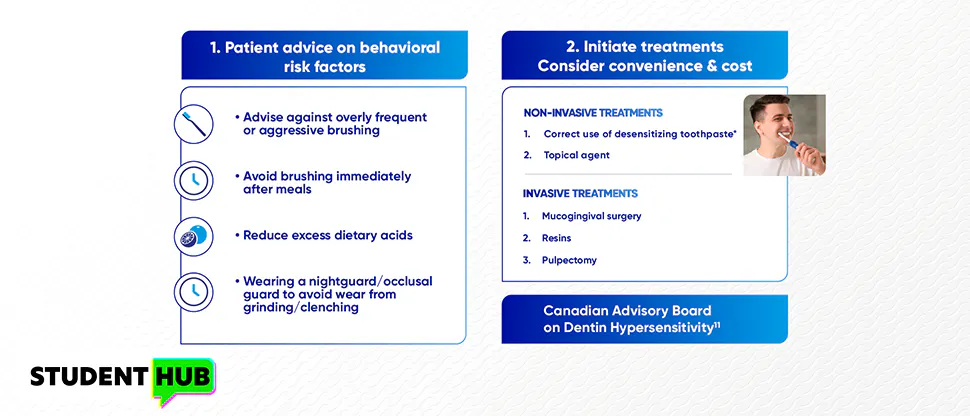
Dentin hypersensitivity can be managed through changes in lifestyle and daily oral hygiene habits. Recommendations can include:9
- Avoid aggressive toothbrushing
- Schedule regular dental appointments
Recommending a specialist toothpaste that helps reduce sensitivity pain is an important non-invasive approach to helping relieve symptoms. These toothpastes work either by:
- Forming a layer over and within dentin to block exposed tubules, using an ingredient such as stannous fluoride10
- Affecting nerves in the pulp to prevent them from sending pain signals, using an ingredient such as potassium nitrate11
A real-world evidence study using a toothpaste containing stannous fluoride on a sample of 460 adults aged 18-65 with dentin hypersensitivity found that a significant number of sufferers:12
- Were less anxious about the pain of sensitive teeth after 1 month of use*
- Were able to eat and drink the way they did before they had sensitivity*
- Found going to the dentist easier*
Click on the image to learn more about how you can help patients manage their sensitivity pain.
*based on a RWE QoL study (n=491) with continued twice-daily use

Gingival Health
Learn the causes of gingivitis, how to recognize its signs, and how to help patients manage it effectively.

Enamel Erosion
Learn how to identify, diagnose, and manage enamel erosion to improve patient outcomes.

Dental Appliance and Denture Care
Learn how to support patients as they adjust to dentures and help them achieve the best possible outcomes with their dental appliances.
