


Your student guide to enamel erosion
Enamel Erosion: An Overview
Enamel erosion is a form of tooth wear caused by acids weakening the surface of tooth enamel not involving bacteria.1
Enamel erosion is a growing concern in clinical practice today, with 46% of young adults already showing signs of enamel erosion.1 A recent European study showed that 97% of adults show signs of enamel erosion.2
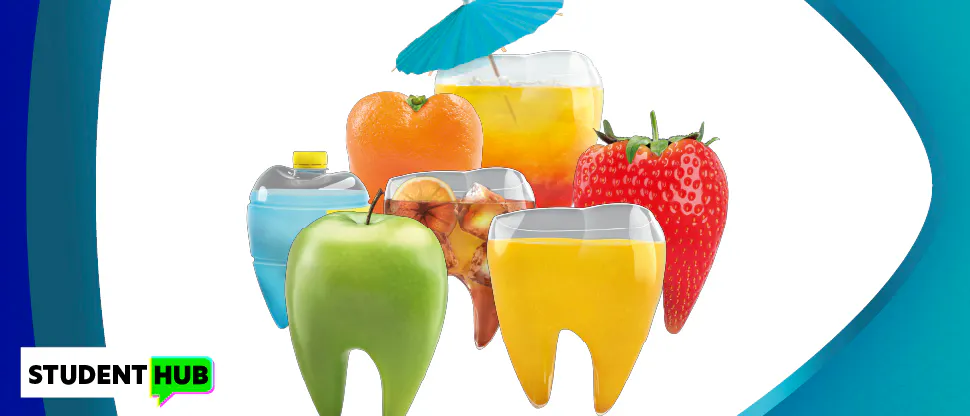
Acidic foods and drinks like fruit, soda, orange juice and wine feature prominently in diets today. Up to 87% of US adults consume acidic foods and beverages every day, putting their enamel at risk.3 These foods and drinks demineralize and soften the tooth enamel, making it more susceptible to physical damage, even by brushing.4,5

What are the causes of enamel erosion
When enamel is exposed to acids (from food, beverages or the stomach), it temporarily weakens and may lose some of its mineral content.5,6
Saliva will help neutralize acidity, restore the mouth's natural balance and slowly harden the enamel. However, because the tooth's recovery process is slow, if the acid attack happens frequently, the enamel does not have the chance to repair.6
It is not just what is consumed that causes enamel erosion, but also the way that acidic foods and drinks are held within the mouth. Holding or retaining acidic beverages in the mouth prolongs the exposure of teeth to the acid, therefore increasing the risk of enamel erosion. Swishing an acidic beverage, for example, can increase the beverage's contact with the tooth or teeth, increasing the risk of tooth erosion.6
Click on the image to learn more about the causes of enamel erosion.
How does enamel erosion impact patients?
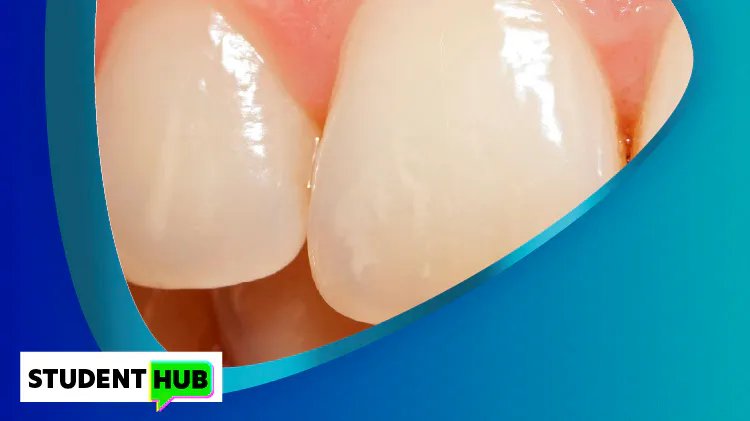
White teeth are desired by most patients, yet enamel erosion can leave teeth looking yellow and dull.6
Over time, enamel erosion can lead to cosmetic changes and dentin hypersensitivity which may become a significant concern for your patients:6-8
- Change in appearance, e.g. yellowing from thinning and increased translucency6,8
- Dentin hypersensitivity9
In some cases, enamel erosion can have a significant impact on patients and may require repeated, expensive and complex restoration.7
Click on the image to learn more about the impacts of enamel erosion.
How to diagnose enamel erosion
Identifying enamel erosion can be difficult for patients and dental professionals alike. Dentists have difficulty correctly diagnosing (both detection and differentiation) and managing enamel erosion, across all severity levels and particularly in early stages.10,11
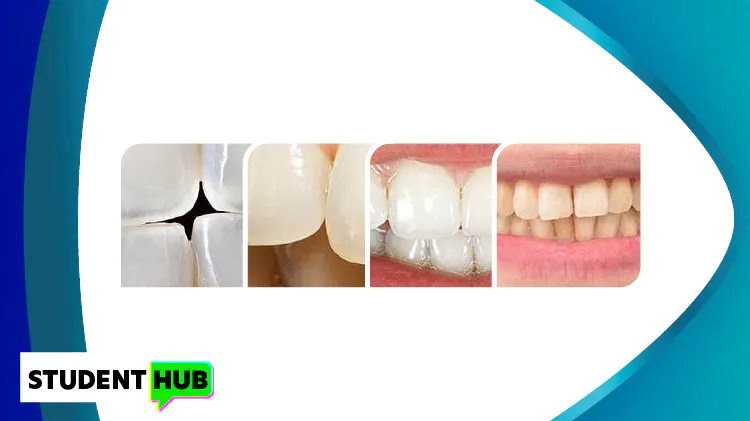
Clinical appearance is critical to identifying enamel erosion. Over time, the wear caused by enamel erosion can lead to reduced thickness of enamel and a change in the texture, shape, and appearance of the teeth.6,8
Common signs of enamel erosion include:
- Yellowing (advanced sign)6
- Thinning and translucency12,13
- Surface changes (smoothing)6,8
- Loss of structural features (rounding)6
Click on the image to learn more about diagnosing enamel erosion.

How to manage enamel erosion
Early diagnosis of enamel erosion is important and, if identified, preventive measures should be taken:
- Advise the patient to minimize exposure to dietary acids14,15
- Use appropriate technique and timing when brushing teeth15,16
- Brush teeth with a specialized fluoride toothpaste17 such the Pronamel range, engineered to optimize uptake of sodium fluoride for protection against everyday dietary acids.
Click the image to learn more about managing enamel erosion:

Dentin Hypersensitivity
Learn how to identify, diagnose, and manage dentin hypersensitivity to improve patient outcomes.

Gingival Health
Learn the causes of gingivitis, how to recognize its signs, and how to help patients manage it effectively.

Dental Appliance and Denture Care
Learn how to support patients as they adjust to dentures and help them achieve the best possible outcomes with their dental appliances.
