Musculoskeletal Pain Management

Man and woman look down at a lake while backpacking. They have taken ibuprofen for muscle pain.

Managing Musculoskeletal Pain

Musculoskeletal pain can impact bones, ligaments, joints, tendons, nerves and muscles. While treatment options may vary depending on what is causing the pain, we’ve outlined a variety of common musculoskeletal pain management strategies below.

Musculoskeletal Pain 101: Common Treatments

  • Non-opioid pain medication options

    When recommending over-the-counter, non-opioid medications for patients who are seeking a musculoskeletal or muscle pain reliever, there are two primary pain relief options: NSAIDs and non-NSAID analgesics.

  • Nonsteroidal anti-inflammatory drugs (NSAIDs)

    NSAIDs such as ibuprofen are commonly used pain medications for adults. NSAIDs like Advil are used for the treatment of many pain conditions, and work by blocking the production of COX-1 and COX-2 enzymes that make prostaglandins, a type of fatty acid that triggers pain and inflammation. The mechanism of ibuprofen, the active ingredient in Advil products, diminishes pain and fever, making it well suited for:

    • Musculoskeletal injuries like sprains and strains
    • Menstrual pain
    • Headache
    • Toothache

    NSAIDs are recommended for treating patients with musculoskeletal pain in the lower back and osteoarthritis. NSAIDs are also recommended for managing knee, hip, and hand osteoarthritis pain. In fact, a clinical study concluded that the active ingredient in Advil (ibuprofen) provided a greater decrease in pain intensity after the initial dose (400 mg) than a 1000 mg dose of acetaminophen for acute pain due to OA. Non-specific NSAIDs can be used to treat mild-to-moderate musculoskeletal pain.

    Topical NSAIDs may also be used to treat patients with conditions that may include recurring pain and are recommended specifically for knee osteoarthritis, among other conditions.

  • Non-NSAID analgesics

    Pain relievers like acetaminophen are another non-opioid muscle pain relief option. Acetaminophen is an antipyretic analgesic with a well-defined safety profile that’s commonly used for pain relief across all age groups. Acetaminophen may also be used for treatment of musculoskeletal pain. Using acetaminophen is recommended specifically for treating patients with knee, hip, and hand osteoarthritis.

    The precise mechanism of acetaminophen is unclear; it lacks anti-inflammatory properties and does not bind to the active site of either COX enzyme.1 It is hypothesized that acetaminophen functions as a muscle pain reliever by raising the pain threshold in the central nervous system.1,2

  • Clinical Positioning: NSAIDs vs Non-NSAID analgesics for muscle pain

    • For pain at the site of inflammation like sprains, minor arthritis pain and muscle pain relief, NSAIDs like Advil offer superior efficacy.
    • For simple analgesia in patients with contraindications to NSAIDs, acetaminophen may be better tolerated.
  • Combining Mechanisms for Enhanced Muscle Pain Relief

    Multimodal analgesia, a process where medications with different mechanisms of action are used to achieve adequate pain control has become a commonplace strategy that’s associated with improved patient outcomes.3 Combining analgesics like ibuprofen and acetaminophen has had largely positive results as the two drugs follow different metabolic pathways and allow for lower maximum daily doses of both agents.2

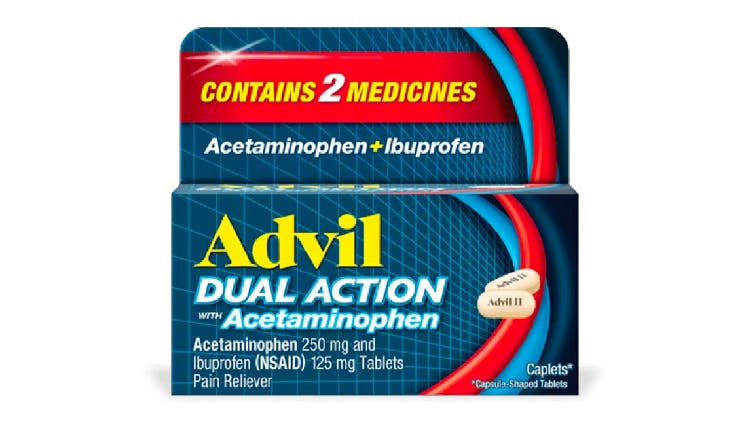
    Prior studies of this multimodal analgesic have shown that a fixed-dose combination of ibuprofen 200 mg and acetaminophen 500 mg provided significantly better analgesia than acetaminophen 1000 mg alone.2 So when your patients ask if they should take acetaminophen or Ibuprofen for muscle pain, you can confidently recommend both in the form of Advil Dual Action.

  • Comparing single and multimodal analgesia for muscle pain

    Feature Advil Coated Tablets Advil Dual Action
    Active Ingredients

    200 mg ibuprofen

    1 or 2 tablets every 4-6 hours; do not exceed 6 tablets in 24 hours

    125 mg ibuprofen + 250 mg acetaminophen

    2 tablets every 8 hours; do not exceed 6 tablets in 24 hours

    Mechanism1,2 Peripheral COX-1/2 inhibition and reduced prostaglandins Peripheral COX-1/2 inhibition & central analgesia via COX and serotonergic pathways
    Efficacy1,2 Effective for pain at the site of inflammation Broader efficacy due to complementary mechanisms; more powerful than either monotherapy
    Ideal Use Scenario1,2 Isolated pain at the site of inflammation (e.g. muscle pain reliever) Multimodal pain scenarios (e.g., musculoskeletal + central pain), where longer relief and dosing simplicity are desired

Non-pharmacological treatment options

Depending on the specifics of a patient’s pain, non-pharmacological pain treatments or therapies may be used in place of or in addition to medication.

  • Surgery

    Surgeries such as arthroplasty, arthroscopy, or soft tissue and cartilage repair, may be recommended for patients with severe musculoskeletal pain.

  • Acupuncture

    Acupuncture is an alternative medicine treatment that comes from traditional Chinese medicine practices and involves inserting small needles into key points on the body. Acupuncture is practiced to help relieve lower back pain, osteoarthritis, neck pain, tennis elbow, headaches and other conditions.

  • Physical therapy

    For acute musculoskeletal pain, physical therapy may be recommended. The type of physical therapy will depend on the cause and location of the pain.

  • Occupational therapy

    Occupational therapy techniques, which are structured to help patients struggling with cognitive, sensory, and physical issues develop skills, can also be used in the management of musculoskeletal pain.

  • Chiropractic treatment

    Chiropractic adjustment, or spinal manipulation, may be an appropriate treatment for patients with certain musculoskeletal conditions such as lower back pain and neck pain.

  • Steroid injections

    Steroid injections fall into the category of treatment called pain intervention. Incorporating steroid injections into treatment for musculoskeletal pain can help reduce the need to use analgesics. Pain intervention therapies like steroid injections are minimally invasive and can typically be completed in day-care or outpatient settings.

  • Therapeutic massage

    Massage is a suitable pain management treatment in the short term but should be combined with or replaced by other methods such as stretching or an at-home exercise routine in the long term.

  • Splints

    A splint can be used to hold a part of the body stable, thereby helping to reduce musculoskeletal pain and prevent added injury.

At-home treatments for musculoskeletal pain

Lifestyle changes and at-home pain management techniques can be recommended instead of or in addition to pain medication and non-pharmacological treatments.

  • Heat therapy

    Hot and cold therapies can be applied to help manage musculoskeletal pain. Applying heat can help increase collagen extensibility, metabolic rate, blood flow, and inflammation resolution. It also helps decrease muscle spasms, stiffness, and pain. Heat therapy is often combined with stretching to help decrease musculoskeletal pain and increase function. Cold can also be applied to a painful area to help reduce vasodilation, hemorrhage, local inflammatory response, edema production and perception of pain. In combination with protection, rest, compression, and elevation, icing is effective both for acute injuries and long-term musculoskeletal pain.3

  • Stretching and other exercises

    Stretching, on its own and in combination with other therapies and management methods, can be an effective tactic for reducing pain and increasing bodily motion and function. However, patients should be advised to avoid overstretching or creating further injuries in the affected areas.

  • Stress reduction

    According to the American Psychological Association (APA) , chronic stress can impact a patient’s experience of musculoskeletal pain and can potentially put them at an increased risk for a variety of physical and mental health problems. To help reduce patients’ stress levels, the APA recommends the following strategies: focusing on sleep hygiene, spending quality time with friends and family, committing to daily walks, journaling throughout the day, and consulting with a licensed mental health professional.4

  • Long-Term Musculoskeletal Pain Treatment: What’s Next?

    There are several options, both pharmacological and non-pharmacological, that can help patients manage their musculoskeletal pain. Using tests such as magnetic resonance imaging (MRI), x-ray scans, computed tomography (CT) scans, and blood tests, you can determine what’s causing your patient’s pain and, from there, develop the most effective course of treatment for your patient’s unique needs.

Explore related content

Causes

What causes musculoskeletal pain?

Learn more about the common causes of musculoskeletal pain.
Find out more

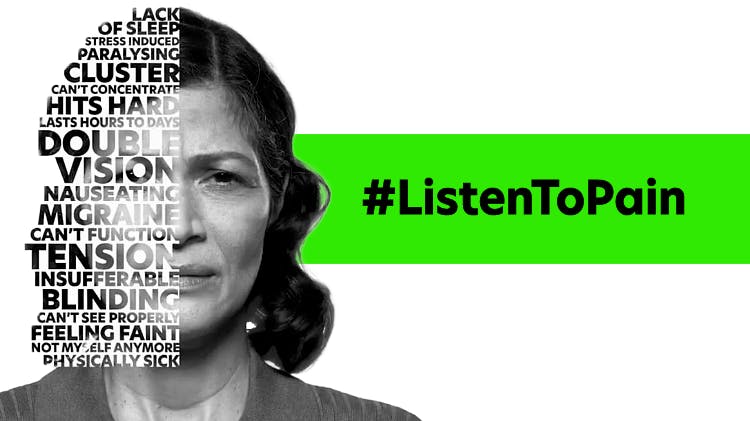
Listen to Pain campaign

Listen To Pain

Explore our tools & resources designed to help you have better conversations with your patients.
Find out more

Signs & symptoms

What are the signs of musculoskeletal pain?

Learn more about the common signs and symptoms of musculoskeletal pain.
Find out more

Advil Dual Action packaging

Advil Dual Action

Discover the science behind Advil Dual Action.

Find out more

Management

What is musculoskeletal pain?

Learn more about musculoskeletal pain.

Find out more

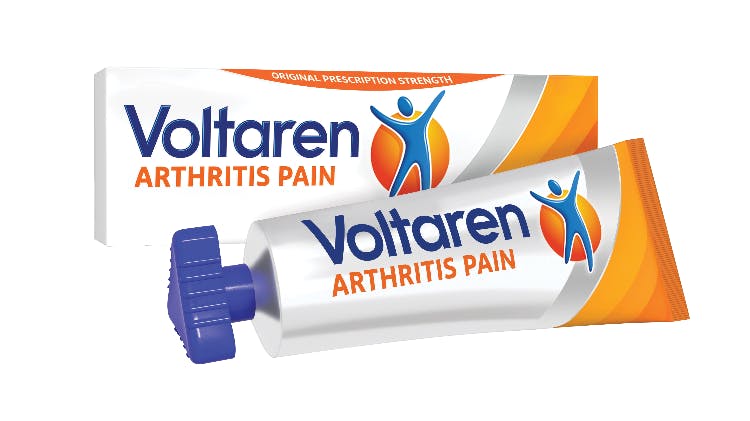
Voltaren packaging

Voltaren Arthritis Pain Gel

Discover the science behind Voltaren gel.

Find out more