

Cognitive Health
Periodontal Disease and Cognitive Decline
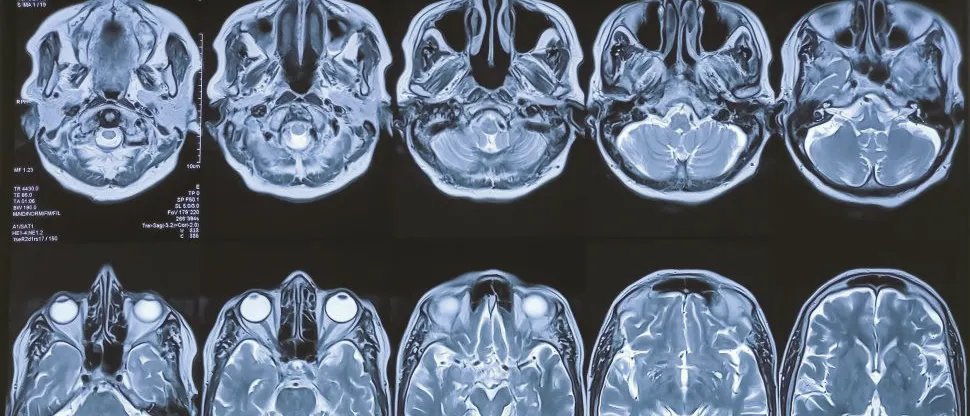
Chronic oral infection with Porphyromonas gingivalis, a key pathogen in periodontal disease, may contribute to the development and progression of Alzheimer’s disease. Researchers found P. gingivalis DNA and its toxic enzymes (gingipains) in the brains of Alzheimer’s patients, suggesting a possible link between chronic oral inflammation and neurodegeneration1. It is believed that oral bacteria can exacerbate neuroinflammation by promoting systemic inflammatory responses, which play a key role in the development of Alzheimer’s Disease1. Another study found the presence of periodontitis to be associated with a six-fold increase in cognitive decline2. These studies help reinforce the importance of oral health in the prevention of neurologic disease and cognitive decline.

Oral Bacteria as a Contributor to Stroke Risk
Emerging research suggests a link between periodontal disease and neurological conditions such as stroke. Ischemic stroke (IS) is the sudden onset of focal neurological impairment resulting from obstruction of cerebral blood flow and remains a leading cause of death and disability worldwide4 Studies have shown that not only does periodontitis increase the likelihood of IS, it also exacerbates its course, leading to more severe neurological outcomes in patients who have periodontitis compared to those without it4. Chronic oral infections may contribute to systemic inflammation, which can affect the brain’s vascular system and immune response. These bacteria can enter the bloodstream through inflamed gum tissue, potentially contributing to vascular inflammation and plaque formation in cerebral arteries3. Periodontitis and chronic inflammation from oral bacteria may play a role in increasing stroke risk, emphasizing the importance of oral hygiene in neurological health4. Regular dental care plays a crucial role in mitigating this risk4.
Related Resources

Oral health and other systemic conditions
Find out more about the importance of preventative oral care in total body health.

Oral Health and Diabetes
Explore the bi-directional relationship between oral health and diabetes.

Oral Health and Cardiovascular Health
Explore how oral health may contribute to overall cardiovascular function.