Overview

Health and wellness with GLP-1s
GLP-1 receptor agonists have become an important tool in the management of obesity and type 2 diabetes.1 GLP-1 medications—known to act on the pancreas, brain, and GI tract— help moderate appetite, gut motility, and satiety.2,3 In addition to their obvious efficacy and benefits, GLP-1s have been associated with various side effects and nutritional gaps for which patients may require additional support.1,3
With reduced overall food intake, the quality and adequacy of nutrient intake may be impacted. Evidence from clinical trials and the clinic suggests GLP-1-associated side effects are not uncommon. It is important to help patients discuss their GLP-1 experience and get the support they need.
Patient-reported reasons for GLP-1 treatment discontinuation4
-
Symptoms associated with GLP-1 therapy may interfere with treatment goals
![Bar chart showing patient reported reasons for treatment discontinuation, ranging from 4.4% to 64.4%, with top reasons including ‘made me throw up’ and ‘made me feel sick]()
Data from Sikirica MV, et al. Diabetes Metab Syndr Obes. 2017;10:403-412.
GLP-1 therapy has been associated with1,3-5:
- Nausea
- Diarrhea
- Nutritional deficiencies
- Constipation
- Abdominal pain
- Indigestion / dyspepsia
- Bloating and gas
- Gastroesophageal reflux
Symptoms often appear more frequently in patients treated with GLP-1s for weight loss, likely due to the higher doses used to treat obesity compared to Type 2 diabetes.1
In clinical trials, treatment interruption has been observed in up to 12% of GLP-1 users, with permanent discontinuation in up to 6% of patients.1 Real-world data show GLP-1 treatment persistence of only 40%-60% at 6 months, likely due in part to GI adverse events.1

GLP-1 challenges in focus
-
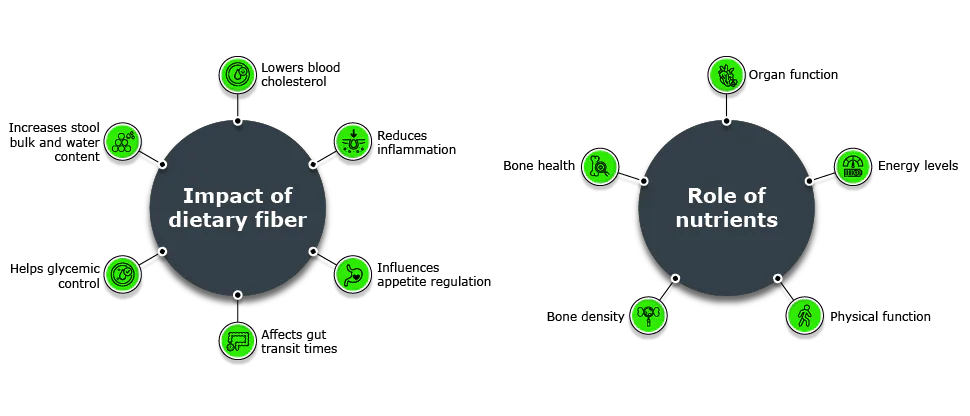
Mind the gap – Importance of addressing fiber and nutrient gaps
![Two circular diagrams list impacts of dietary fiber and role of nutrients. Dietary fiber benefits include cholesterol reduction, improved gut transit, glycemic control, and reduced inflammation. Nutrient roles include supporting organ function, energy levels, physical function, and bone health]()
Changes in food intake due to GLP-1 use has the potential to affect diet quality and may contribute to shortfalls of nutrients such as vitamins, minerals, and fiber.3,6 It is important for patients treated with GLP-1s to be supported in their goals for dietary fiber, micronutrients, and fluids.6
Fiber and nutrients in the US diet
More than 90% of women and >97% of men in the US do not have adequate intake of dietary fiber.7 On average, adults in the US consume 12–18 g/day, while the US Department of Health and Human Services (HHS) recommends 22–34 g/day.7
Further to this, eating patterns in the US have remained far below HHS Dietary Guideline recommendations, leading to underconsumption of important nutrients such as calcium and vitamin D.7 Currently, 60% of US adults have at least 1 nutrition-related health condition. Improving dietary intake is aligned with promoting overall health.7
Help your patients up their game
Your patients may not realize all that is needed in a balanced, nutrient-dense diet. It is important to discuss appropriate intakes of fiber and other nutrients for all patients, particularly those with restricted caloric intake.6,8 Help them find a strategy – assessments, food choices, supplements – that will support their nutrition goals and their GLP-1 journey.
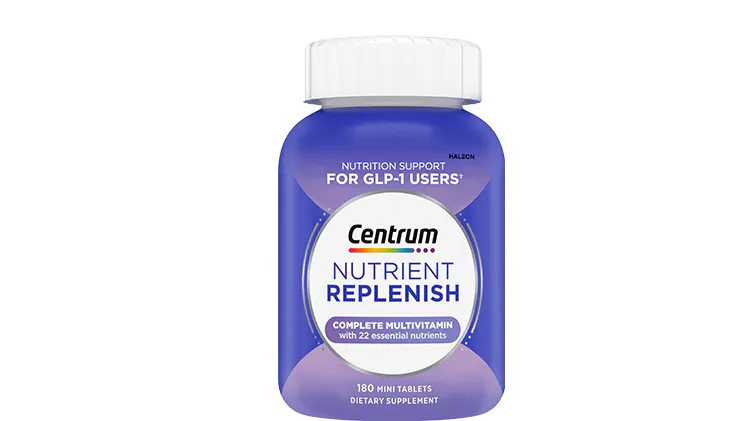
Discover how Haleon can help your GLP-1 patients bridge fiber and nutrient gaps.
-
Understanding heartburn
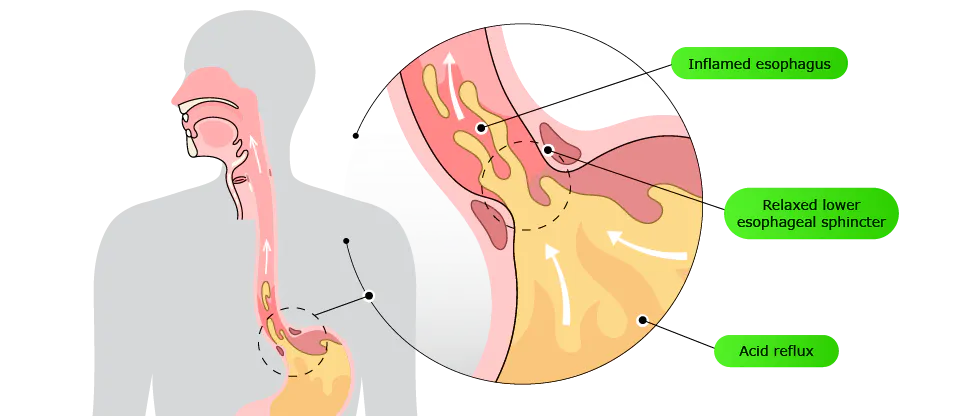
![Diagram of the throat, esophagus, and stomach. A close‑up view shows stomach acid rising upward toward the esophagus.]()
Heartburn symptoms – Your GLP-1 patients may be at risk
GLP-1 therapies have been associated with heartburn, potentially exacerbating the reflux related to obesity.1 The delay in gastric emptying associated with these medications may increase the risk of stomach contents being pushed into the esophagus.1
Help your patients ease the burn
There are several strategies that can help your patients reduce the risk of heartburn symptoms. Some of these include9:
- Avoiding “trigger foods”
- Avoiding meals within 2-3 hours of bedtime
- Avoiding tobacco/smoking
- Losing weight
- Head of bed elevation at night
Management of heartburn and acid reflux can take a multifaceted approach, using lifestyle modifications and pharmacological support to ease symptoms. Some pharmacological options include antacids for fast symptom relief and acid neutralization, or proton pump inhibitors (PPIs) for reducing gastric acid production.
Discover ways to effectively address heartburn symptoms in your GLP-1 patients.
-
Clearing the air on gas and bloating
![Two people sitting on a couch holding mugs and facing each other in a living room with large windows and a tall plant in the background]()
Gas, bloating, and GLP-1s
GLP-1 therapy is associated with delayed gastric emptying, and changes in intestinal motility and transit time.1,5 Along with modified dietary intake among GLP-1 users, this can impact the gut and gas production.10
Help your patients stay engaged throughout the GLP-1 journey
Symptoms of gas and bloating can be embarrassing and may significantly impact an individual’s social interactions or make them feel sidelined.11,12 Educating patients on expectations and symptom management while using GLP-1 therapy can help them engage in proactive and effective strategies.5
Discover Haleon solutions to help your GLP-1 patients find relief from symptoms of gas.

Learn more about Haleon’s trusted wellness solutions

Fit in fiber
Find out how Haleon products can help your patients with their fiber gaps.

Fast heartburn relief
See what Haleon has to offer to help your patients relieve the symptoms of heartburn.

Rein in gas and bloating symptoms
Explore Haleon’s range of options to help your patients take control of symptoms of excess gas.