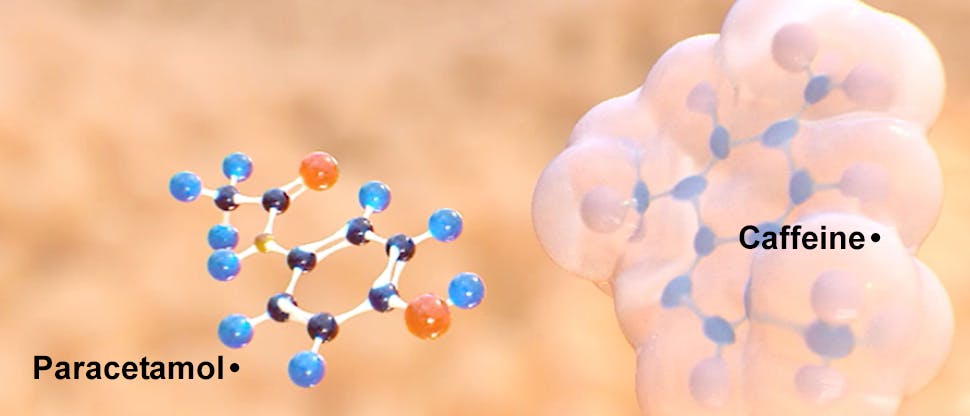
The science of paracetamol and caffeine (for pharmacists only)
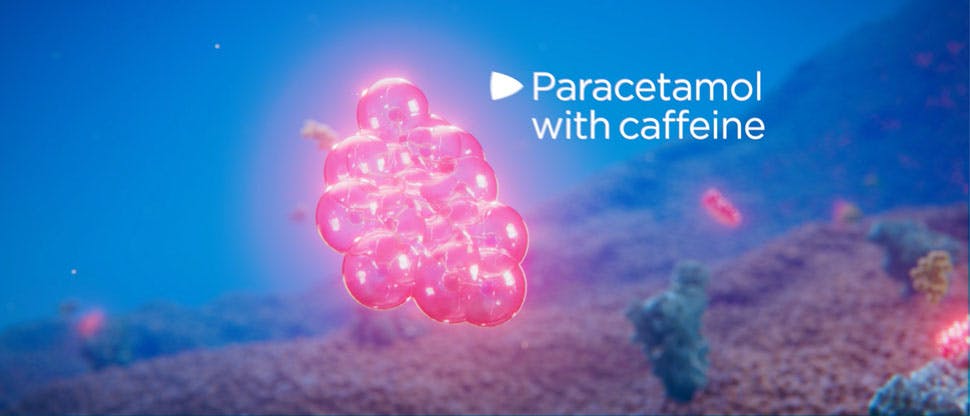
caffeine

For pharmacists: Paracetamol exerts its analgesic and antipyretic effect by inhibition of prostaglandins.1 Caffeine works by blocking adenosine receptors, affecting pain signalling both centrally and peripherally, and may also inhibit cyclooxygenase activity, contributing to its antinociceptive and adjuvant effects.2,3
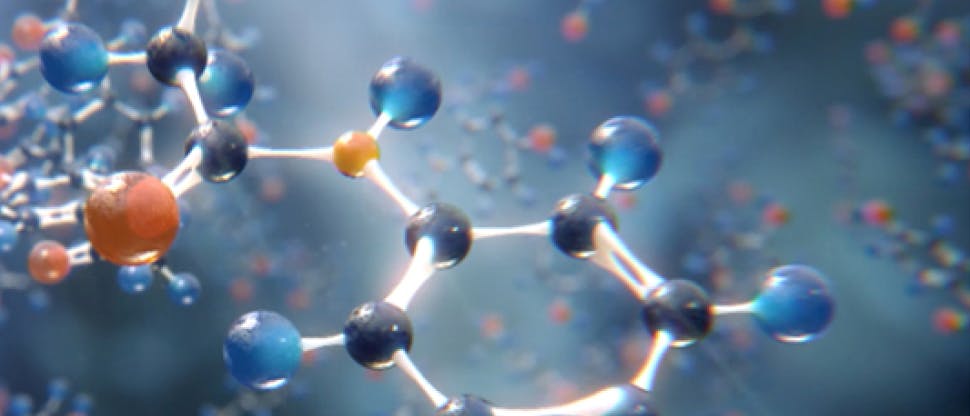
Paracetamol chemical structure

Paracetamol basics

For pharmacists: Paracetamol, or acetaminophen, is one of the most used analgesic and antipyretic over-the-counter drugs globally.4

Learn more

Did you know that contrary to popular believe, caffeine is not considered an addictive compound?5

Caffeine chemical structure

Caffeine basics

First discovered in 850 A.D., caffeine was extracted as an active compound in 1819. It is the most common legal psychoactive drug and is a chemical relative of theophylline (used in treatment of asthma).5,6 Known for some of its effects such as increasing metabolic activity and heart rate, alertness, wakefulness and concentration, it is combined with analgesics to increase absorption from the stomach.7,8

  • Product information

    Please consult the summary of product characteristics for full product information.

    Panadol Extra 500mg/65mg Soluble Effervescent Tablets (paracetamol, caffeine). Indications: Relief of mild to moderate pain including rheumatism, neuralgia, musculoskeletal disorders, headache, symptoms of colds and flu, fever, toothache and menstrual pain. Dosage: Adults and children 16 years and over: 2 tablets up to 4 times a day. Do not exceed 8 tablets in 24 hours. You may need a lower dose if you are underweight (<50kg), malnourished, dehydrated or if you have alcohol problems. Children aged 12-15 years: 1 tablet up to 4 times a day. Do not exceed 4 tablets in 24 hours. Do not give to children under 12 years. Minimum dosing interval: 4 hours. Contraindications: Hypersensitivity to paracetamol, caffeine or any ingredients. Precautions: Avoid concurrent use with other paracetamol-containing products. Diagnosed liver of kidney impairment. Patients on concomitant treatment with drugs that induce hepatic enzymes. Patients with depleted glutathione levels or chronic alcoholism or sepsis. Avoid excessive caffeine intake. Caution in those with hereditary sugar intolerance or on a low sodium diet. Caution, regarding paracetamol, if used at therapeutic doses for a prolonged period or administered concomitantly with flucloxacillin due to increased risk of high anion gap metabolic acidosis (HAGMA), particularly in patients with severe renal impairment, sepsis, malnutrition and other sources of glutathione deficiency (e.g. chronic alcoholism). If suspected, discontinue use promptly and monitor closely, including measurement of urinary 5-oxoproline. Do not exceed the stated dose. Prolonged use except under medical supervision may be harmful. If high fever, or signs of secondary infection occur or if symptoms persist for longer than 3 days, consult your doctor. Side effects: See SPC for full details. (Paracetamol) Very rare: Thrombocytopenia, hypersensitivity reactions including anaphylaxis and skin rash, angioedema, Stevens-Johnson syndrome, Toxic Epidermal Necrolysis, bronchospasm, hepatic dysfunction. Not known: High anion gap metabolic acidosis. (Caffeine) Frequency unknown: Nervousness, dizziness. insomnia, restlessness, anxiety, irritability, gastrointestinal disturbances and palpitations. Legal Category: Supply through pharmacy only. MA Number: PA 678/39/10. MA Holder: Haleon Ireland Limited, Clocherane, Youghal Road, Dungarvan, Co. Waterford, X35 Y983, Ireland. Text prepared: June 2025. Additional information is available upon request.

Discover the Panadol range with paracetamol and caffeine
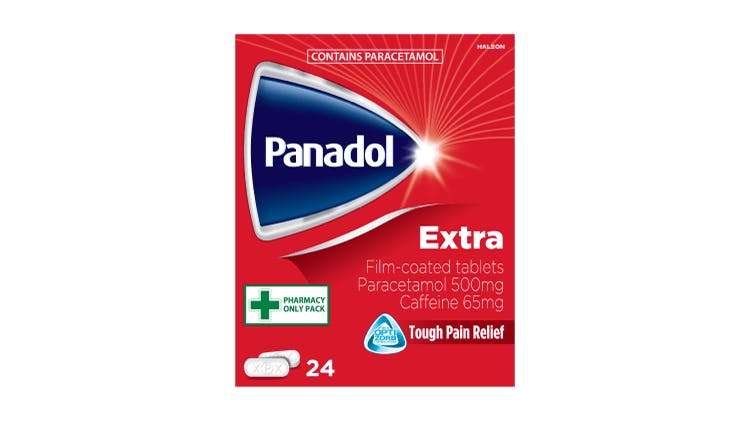
Panadol Extra Film-coated Tablets with paracetamol and caffeine 24 tablet pack

Panadol Extra Soluble 500mg/65mg Effervescent Tablets (paracetamol, caffeine)

For pharmacists: With a dual active formulation that fights tough pains such as headaches, dental pain and menstrual pain.

Learn more

Condition logo

Conditions

Our overviews of common pain conditions explore the causes, signs, symptoms and impact of each condition, and summarise the latest evidence-based management recommendations.


Learn more

Mechanism of migraine

Management of headaches

Learn more about the management of headaches.

Learn more

Panadol Science Academy logo

Panadol Science Academy

For pharmacists: Panadol Science Academy includes information on pain and the analgesic action of paracetamol. Find out how to manage patients' pain on Haleon HealthPartner.

Find out more