


Our Bestsellers

Our Bestsellers List
Welcome to our Bestsellers hub, where you'll discover our top pain relief products for your pharmacy. Explore the categories to find our best-performing systemic and topical pain solutions to fill your shelves.
Systemic Pain Relief Bestsellers
Systemic Pain caters to a wide range of need states, it's essential to stock the top-performing items to maximise your sales. Product Information can be found below.
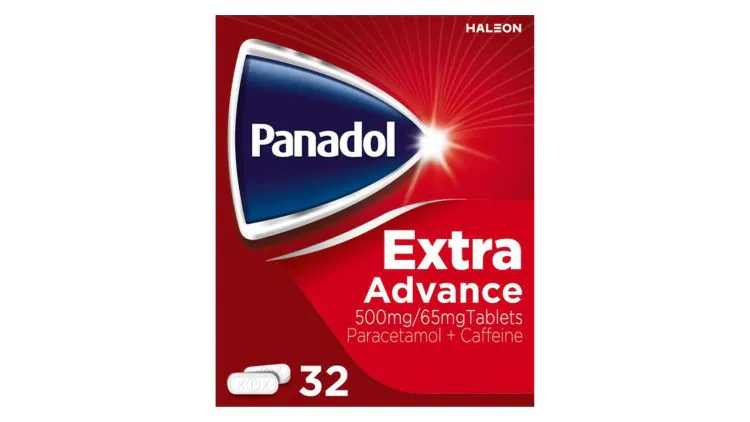
Panadol Extra Advance Tablets 32 pack (Paracetamol + Caffeine 500mg/65mg)
P-Line Classification
Panadol Actifast Soluble Paracetamol Tablets 500mg, 24s
GSL Classification
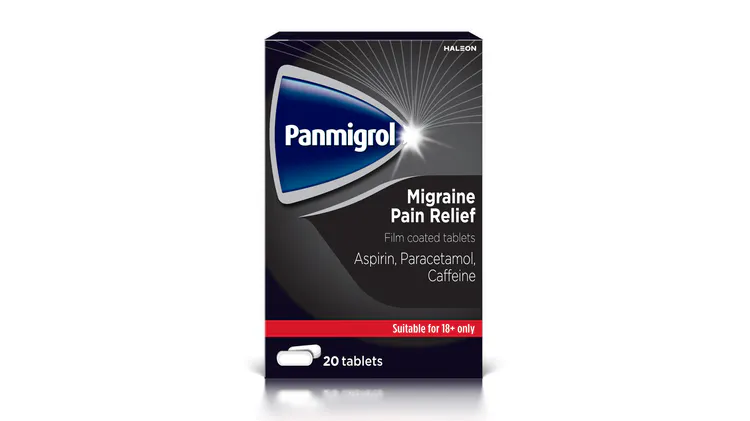
Panmigrol Migraine Pain Relief 250 mg /250 mg /65 mg film coated tablets (aspirin, paracetamol, caffeine)
GSL Classification
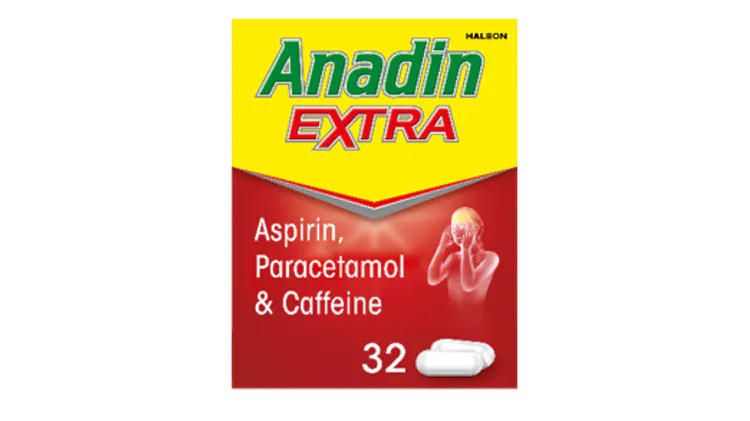
Anadin Extra (Aspirin, Paracetamol & Caffeine) 32 pack
GSL Classification
Topical Pain Relief Bestsellers
Topical Pain products address a variety of everyday needs, so it's important to offer the leading options to support customer choice. Product information can be found below.
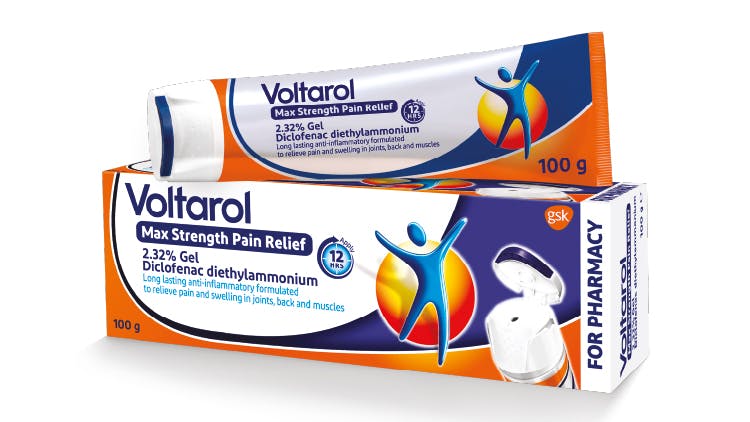
Voltarol Max Strength Pain Relief 2.32% Gel (diclofenac diethylammonium) 100g
P-Line Classification
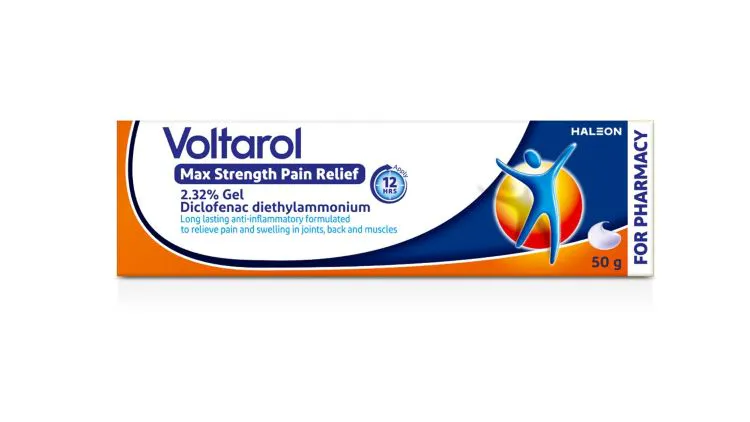
Voltarol Max Strength Pain Relief 2.32% Gel (diclofenac diethylammonium) 50g
P-Line Classification
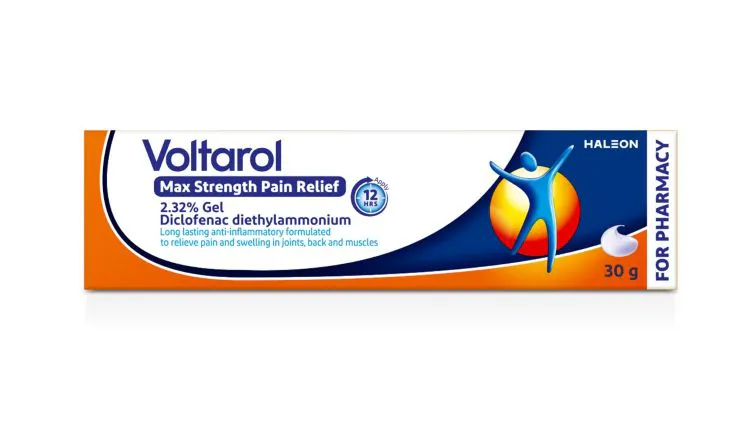
Voltarol Max Strength Pain Relief 2.32% Gel (diclofenac diethylammonium) 30g
P-Line Classification
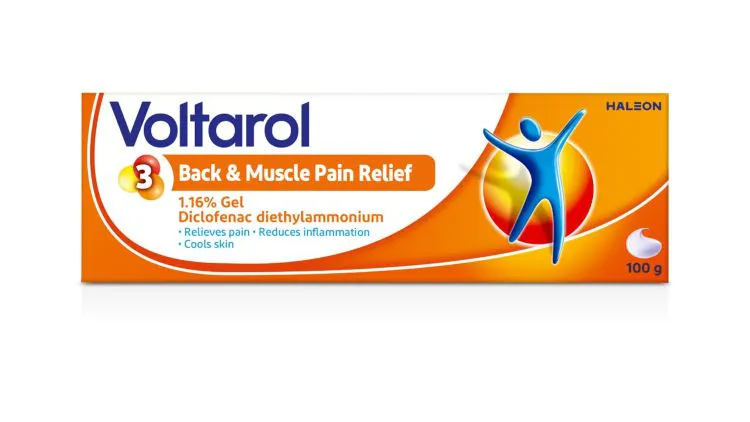
Product Information
Full information can be found in the Summary of Product Characteristics
-
Panadol Tablets Product Information
Panadol Original Tablets, Panadol Advance 500 mg Tablets, Panadol ActiFast (Paracetamol), Panadol Extra Advance 500 mg/65 mg Tablets, Panadol Period Pain 500 mg/65 mg Tablets, Panadol Extra Soluble Tablets (paracetamol, caffeine).
Indications: For the treatment of most painful and febrile conditions, including headache, migraine, backache, toothache, rheumatic pain and dysmenorrhoea as well as for relief of the symptoms of colds, influenza and sore throat. Original & Advance: Symptomatic relief of pain due to non-serious arthritis. Dosage and administration: Original & Advance: Adults and children, 16 years and over: One or two tablets up to four times daily as required. Max. 4 doses in 24 hours. Children 10- 15 years: One tablet up to four times daily as required. Max. 4 doses in 24 hours. Children should not take for more than 3 days without doctor’s advice. Doses should not be repeated more frequently than every 4 hours. Children under 10 years: Not suitable. Extra Advance, Period Pain, Extra Soluble & ActiFast: Adults and children, 16 years and over: Two tablets up to four times daily as required. Max. 4 doses in 24 hours. Children 12-15 years: One tablet up to four times daily as required. Max. 4 doses in 24 hours. Doses should not be repeated more frequently than every 4 hours. ActiFast & Extra Soluble should be taken with water, with Extra dissolved in at least half a tumbler of water. Original, Advance & Extra Soluble should not be used for more than 3 days without a doctor's advice. Children under 12 years: Not recommended. Contraindications: Known hypersensitivity to any of the ingredients. Warnings and Precautions: Do not use with any other paracetamol-containing products. Those with renal or hepatic impairment must seek advice before use. Caution, regarding paracetamol, if used at therapeutic doses for a prolonged period or administered concomitantly with flucloxacillin due to increased risk of high anion gap metabolic acidosis (HAGMA), particularly in patients with severe renal impairment, sepsis, malnutrition and other sources of glutathione deficiency (e.g. chronic alcoholism). If suspected, discontinue use promptly and monitor closely, including measurement of urinary 5-oxoproline. If symptoms persist seek medical advice. Extra Advance, Period Pain and Extra Soluble: Avoid excessive caffeine intake whilst taking product. Original, Advance, ActiFast: Patients with persistent headaches and those with non- serious arthritis who need to take painkillers every day should consult a doctor. ActiFast: contains 352mg sodium per dose, take into account for those on a low salt diet. Extra Soluble: contains 854mg sodium per dose and 50mg sorbitol per tablet, respectively. Patients with rare hereditary problems of fructose intolerance should not take these medicines. Side effects: Very rare: Thrombocytopenia, agranulocytosis, anaphylaxis, cutaneous hypersensitivity reactions including skin rash, and angioedema. Bronchospasm and hepatic dysfunction. Not known: High anion gap metabolic acidosis. Extra Advance, Period Pain and Extra Soluble, due to caffeine: dizziness, headache, palpitation, insomnia, restlessness, anxiety and irritability and gastrointestinal disturbances. Legal category and RRP (excl. VAT): Original: GSL: 12s £0.99. Advance: GSL: 16s £1.88, P: 32s £3.08. ActiFast: GSL: 10s £2.49 Extra Advance: GSL: 16s £3.13, P: 32s £4.79 Extra Soluble: GSL: 24s £5.41 Period Pain: GSL: 16s £3.13 Product licence number: Haleon UK Trading Limited, The Heights, Weybridge, Surrey, KT13 0NY, United Kingdom. Text prepared: Jan 2026
-
Panmigrol Product Information
Panmigrol Migraine Pain Relief 250 mg /250 mg /65 mg film coated tablets, Panmigrol Migraine and Headache Relief 250 mg /250 mg /65 mg film coated tablets (acetylsalicylic acid, paracetamol, caffeine).
Indications: Acute treatment of headache and of migraine attacks with or without aura. Dosage and administration: Adults (18 years and over) only. Headache: 1 tablet; if needed an additional tablet can be taken, with 4 to 6 hours between doses. Intense pain: 2 tablets. If needed an additional 2 tablets can be taken with 4 to 6 hours between doses. For episodic use, up to 4 days for headache. Migraine: Take 2 tablets when symptoms appear. If needed an additional 2 tablets can be taken, with 4 to 6 hours between doses. Intended for episodic use, up to 3 days for migraine. Maximum 6 tablets in 24 hours. Drink a full glass of water with each dose. Not recommended for use in children under 18 years. Exercise caution in the elderly, particularly those with low bodyweight. Contraindications: Hypersensitivity to the active ingredients or excipients. Patients in whom attacks of asthma, bronchospasm, angioedema, urticaria, or acute rhinitis are precipitated by acetylsalicylic acid or other NSAIDs. Active gastric or intestinal ulcer, gastrointestinal bleeding, or perforation and in patients with a history of peptic ulceration. Haemophilia or other haemorrhagic disorders. Severe cardiac failure severe hepatic failure, or severe renal impairment or failure. Third trimester of pregnancy. Precautions: Do not use with systemic NSAIDs, including cyclooxygenase-2 selective inhibitors, acetylsalicylic acid-containing or paracetamol-containing products or alcohol; if vomiting occurs with > 20% of migraines or bedrest is needed with >50% of migraine attacks; for more than 10 days per month for more than 3 months. Discontinue use immediately in suspected medication overuse headaches, gastrointestinal bleeds, or ulceration. GI bleeding risk may be enhanced by alcohol, corticosteroids and NSAIDs. GI bleeds / ulceration generally have more serious consequences in the elderly. Use special precaution in those with bronchial asthma, seasonal allergic rhinitis, nasal polyps, chronic obstructive pulmonary disease, or chronic infection of the respiratory tract. Use caution in undiagnosed migraineurs, or those with atypical symptoms, exclude other neurological conditions; patients with dehydration, gout, reduced uric acid excretion, congestive heart failure, impaired renal or hepatic function/disease, those with depleted glutathione levels (e.g. severely malnourished, anorexic, low body mass index, sepsis or chronic alcohol users) due to risk of hepatic dysfunction/failure, uncontrolled hypertension, severe glucose 6-phosphate dehydrogenase deficiency, diabetes mellitus, metrorrhagia, menorrhagia, alcohol dependence, hyperthyroidism, arrhythmia. May mask the signs and symptoms of infection, interfere with thyroid function tests, increase bleeding tendency during/after surgery, cause defects of haemostasis (monitoring is advised).Anticoagulants and medicines that inhibit platelet aggregation should not be used without a doctor’s supervision. Haematological and haemorrhagic effects can occur and may be severe, unusual bleeding symptoms should be reported to their physician. Acetylsalicylic acid can cause sodium and water retention which may exacerbate hypertension, congestive heart failure and renal impairment. Caution, regarding paracetamol, if used at therapeutic doses for a prolonged period or administered concomitantly with flucloxacillin due to increased risk of high anion gap metabolic acidosis (HAGMA), particularly in patients with severe renal impairment, sepsis, malnutrition and other sources of glutathione deficiency (e.g. chronic alcoholism). If suspected, discontinue use promptly and monitor closely, including measurement of urinary 5-oxoproline. Also use with caution if used with other potentially hepatotoxic medicinal products or products that induce liver microsomal enzymes. Should not be given to children and adolescents aged under 18 years unless specifically indicated because there is a possible association between acetylsalicylic acid and Reye’s syndrome. Rare cases of Kounis syndrome, with or without myocardial infarction, have been reported with acetylsalicylic acid. If confirmed, treatment should be discontinued immediately. Limit use of caffeine containing products. If no migraine relief from first 2-tablet dose, seek advice from physician. Contains 0.03mg benzoic acid per tablet. Side effects: Common: Nervousness, dizziness, nausea, abdominal discomfort. For full side effects please see summary of product characteristics. Legal category and RRP (excl. VAT): GSL: £3.13 P: £5.21 Product licence number: GSL: PL 44673/0229, P: PL 44673/0231 Product licence holder: Haleon UK Trading Limited, The Heights, Weybridge, Surrey, KT13 0NY, United Kingdom. Text prepared: September 2026
-
Anadin Extra Product Information
Anadin Extra (GSL) and Anadin Extra 300mg/200mg/45mg Tablets (P) (aspirin, paracetamol, caffeine)
Indications: For the treatment of mild to moderate pain Dosage: Adults, the elderly and young persons aged 16 and over: 2 tablets every 4 hours. Maximum 8 tablets in 24 hours. Do not give to children aged under 16 years. Migraine only: Not recommended for migraine for under 18s. Contraindications: Hypersensitivity to the active ingredients or any of the other excipients. Patients in whom asthma, bronchospasm, angioedema, urticaria, or acute rhinitis are precipitated by aspirin or other non-steroidal anti-inflammatory drugs (NSAIDs). Current and history of peptic ulceration; History of upper gastrointestinal bleeding or perforation, related to previous NSAID therapy. History of haemophilia, hypothrombinaemia, or other clotting disorders; Renal failure (GFR < 15mL/min/1.73m2). Hepatic failure. Third trimester of pregnancy. Children under 16 years and when breast feeding. Warnings and precautions: Serious hypersensitivity reactions or anaphylaxis can occur, bronchospasm may be precipitated in patients suffering from or with a previous history of asthma, allergic disease, or nasal polyps. Caution should be exercised in patients with uncontrolled hypertension, impaired renal or hepatic function, with gout or history of gout, or in patients who are dehydrated or suffering from diabetes mellitus, and elderly patients. Consider overall benefit-risk in patients with hepatic or renal impairment before use. Hazards of overdose are greater in those with non-cirrhotic alcohol liver disease. Do not take if you have a stomach ulcer or with any other systemic NSAID or paracetamol-containing medicine. Due to possible association with Reye’s syndrome do not give to children (under 16 years) especially during or immediately after a viral illness, unless prescribed by a physician or specifically indicated (e.g. Kawasaki’s disease). Haematological and haemorrhagic effects can occur and may be severe, patients should report any unusual bleeding symptoms. In patients with glucose-6-phosphate dehydrogenase (G6PD) deficiency, aspirin may induce haemolysis or haemolytic anaemia. Risk increased by high dosage, fever or acute infections. Gastrointestinal bleeding, ulceration, or perforation, which can be fatal, have been reported with all NSAIDs and may occur at any time during treatment, with or without warning symptoms or a previous history of serious GI events. More serious in the elderly. Hepatic dysfunction/failure reported in patients with depleted glutathione levels (severely malnourished, anorexic, have a low body mass index, chronic heavy users of alcohol or have sepsis). Caution, regarding paracetamol, if used at therapeutic doses for a prolonged period or administered concomitantly with flucloxacillin due to increased risk of high anion gap metabolic acidosis (HAGMA), particularly in patients with severe renal impairment, sepsis, malnutrition and other sources of glutathione deficiency (e.g. chronic alcoholism). If suspected, discontinue use promptly and monitor closely, including measurement of urinary 5-oxoproline. Rare cases of Kounis syndrome, with or without myocardial infarction, have been reported with acetylsalicylic acid. If confirmed, treatment should be discontinued immediately. Avoid excessive caffeine intake. Side effects: Refer to the SPC for full details. Aspirin: Very rare: aspirin-exacerbated respiratory disease. Not known: Prolonged bleeding time, thrombocytopenia, ecchymosis, hypersensitivity reactions, sodium and fluid retention, temporary hearing loss, tinnitus, gastrointestinal haemorrhage or ulceration, vomiting, gastritis, nausea, dyspepsia. Reye’s syndrome, elevation in aminotransferase levels. Renal dysfunction, increased blood uric acid levels. Kounis syndrome. Paracetamol: Very rare: Thrombocytopenia, anaphylaxis, cutaneous hypersensitivity reactions bronchospasm, hepatic dysfunction. Not known: High anion gap metabolic acidosis. Caffeine: Not known: Dizziness, headache, insomnia, restlessness, anxiety and irritability, nervousness, gastrointestinal disturbances, palpitations. Legal category and RRP (excl VAT): GSL 8s: £1.83 12s: £2.23 16s: £2.88, P 32s: £4.16 Product licence number: GSL: PL 44673/0199. P: PL 44673/0248 MAH: Haleon UK Trading Limited, The Heights, Weybridge, Surrey, KT13 0NY, U.K. Text prepared: October 2026.
-
Panadol Actifast Soluble Tablets Product Information
Panadol ActiFast Soluble Tablets (Paracetamol). Indications: For the treatment of most painful and febrile conditions, for example headache, including migraine and tension headaches, backache, toothache, rheumatic and muscle pains, dysmenorrhoea, sore throat and for relieving the fever, aches and pains of colds and flu. Dosage and administration: Adults, the elderly and children, 16 years and over: 1-2 tablets in at least half a tumbler of water up to four times daily as required. Children 10-15 years: One tablet dissolved in water up to four times daily as required. Children should not take for more than 3 days without doctor’s advice. Max 4 doses in any 24 hours and doses should not be repeated more frequently than every 4 hours. Children under 10 years: Not recommended. Contraindications: Hypersensitivity to any of the ingredients. Warnings and Precautions: Do not use with any other paracetamol-containing products. Those with renal or hepatic impairment should seek advice before use. Patients with persistent headaches or with non-serious arthritis who need to take painkillers every day should consult a doctor. Caution, regarding paracetamol, if used at therapeutic doses for a prolonged period or administered concomitantly with flucloxacillin due to increased risk of high anion gap metabolic acidosis (HAGMA), particularly in patients with severe renal impairment, sepsis, malnutrition and other sources of glutathione deficiency (e.g. chronic alcoholism). If suspected, discontinue use promptly and monitor closely, including measurement of urinary 5-oxoproline. Each tablet contains 427mg sodium, to be considered in patients on a sodium-controlled diet, and 62.5mg sorbitol. Patients with rare hereditary problems of fructose intolerance should not take this medicine. If symptoms persist, medical advice must be sought. Side effects: Very rare: Thrombocytopenia, agranulocytosis, anaphylaxis, cutaneous hypersensitivity reactions including skin rash, and angioedema. Very rare cases of serious skin reactions have been reported. Bronchospasm and hepatic dysfunction. Not known: High anion gap metabolic acidosis. Legal category and RRP (excl. VAT): 24s: £4.99 Product licence number: PL 44673/0083 Product licence holder: Haleon UK Trading Limited, The Heights, Weybridge, Surrey, KT13 0NY, United Kingdom. Text prepared: August 2026.
-
Voltarol Gels Product Information
Voltarol Back & Muscle Pain Relief 1.16% Gel, Voltarol Max Strength Pain Relief 2.32% Gel, Voltarol Joint & Back Pain Relief 2.32% Gel, Voltarol Osteoarthritis Joint Pain Relief 1.16%Gel (diclofenac diethylammonium).
Indications: Local symptomatic relief of pain and inflammation in trauma of the tendons, ligaments, muscles and joints e.g. due to sprains, strains and bruises, and localised forms of soft tissue rheumatism. Osteoarthritis and Max Strength Gel only: Relief of pain of non-serious arthritic conditions. Dosage and method of use: Adults and children aged 14 years and over. Gently rub 2-4 g into skin of affected site. If symptoms worsen or do not improve within 7 days, seek medical advice. For children aged 14 years and over, if the product is required for more than 7 days for pain relief or if the symptoms worsen the patient/ parents of the adolescents is/are advised to consult a doctor. Back & Muscle Gel: Apply 3-4 times daily for up to 14 days. Leave at least 4 hours between applications. No more than 4 applications in 24 hours. Not to be used for more than 14 days unless recommended by a doctor. Maximum daily dose 16 g. Max Strength Pain Relief: Apply 2 times daily (morning and evening) for up to 21 days. Maximum daily dose 8 g. Not for use for longer than 21 days unless recommended by doctor. Joint & Back Pain Relief: Apply 2 times daily (morning and evening) for up to 14 days. Maximum daily dose 8 g. Not for use for longer than 14 days unless recommended by doctor. Osteoarthritis Gel: Apply 3-4 times daily for up to 21 days. Maximum daily dose 16 g. Not for use for longer than 21 days unless recommended by doctor. Consult doctor if more than two major joints affected. Contraindications: Patients whose asthma, angioedema, urticaria or acute rhinitis are precipitated by aspirin or other NSAIDs. Hypersensitivity to diclofenac, aspirin, other NSAIDs or excipients. Third trimester of pregnancy. Osteoarthritis and Back & Muscle Gel: Children under 14 years. Precautions Use at higher dosage/large amounts over large areas of skin and / or over a prolonged period may lead to systemic adverse events. Do not smoke and avoid naked flames. Avoid excessive exposure to sunlight to reduce incidence of photosensitivity. Apply only to intact, non- diseased skin. Do not use with occlusion. Avoid ingestion or contact with eyes or mucous membranes. Caution in patients with previous or active peptic ulceration; suffering from/previous history of asthma or allergic disease. Discontinue use if skin rash develops. Caution with concomitant use of other diclofenac products or systemic NSAIDs. Joint & Back Pain Relief and Max Strength Gel contain propylene glycol, which may cause mild skin irritation, and butylhydroxytoluene, which may cause local skin reactions or irritation to the eyes and mucous membranes. Back & Muscle Gel and Osteoarthritis Gel contain propylene glycol and benzyl benzoate, which may cause mild localised skin irritation. Side effects See SPCs for full details. Common: Rash, eczema, erythema, dermatitis (including dermatitis contact), pruritus. Product licence number, legal category, pack size and RSP (excl. VAT) Back & Muscle Gel: PL 44673/0156 (GSL) 30 g £5.41, 50 g £7.96, 100 g £12.75. 100 g (no mess) £14. Max Strength Pain Gel: PL 44673/0154 (P), 30 g £7.49, 50 g £10.57, 100 g £15.57. Joint & Back Pain Gel: PL 44673/0160 (GSL), 30 g £7.49, 50 g £10.57. Osteoarthritis Gel: PL 44673/0155 (P), 30 g £5.41, 50 g £7.96, 100 g £10.71. PL holder Gels: Haleon UK Trading Limited, The Heights, Weybridge, KT13 0NY, U.K. Date of preparation: January 2026
