


The science of caffeine and paracetamol
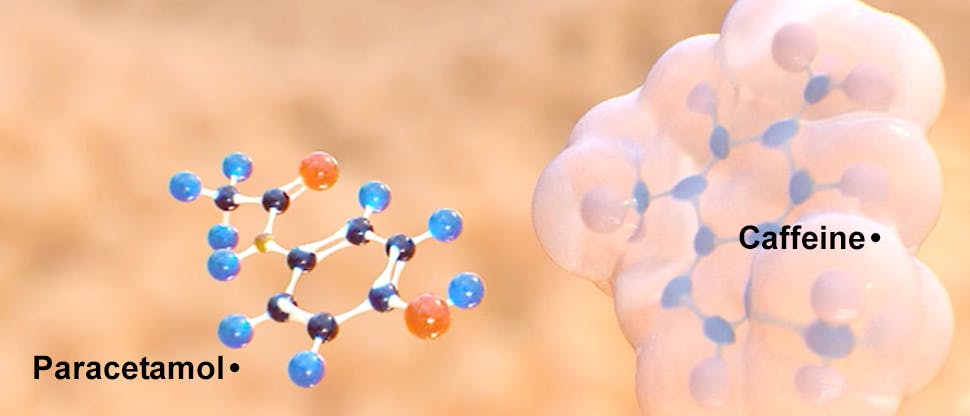
Paracetamol + caffeine
Panadol Extra contains a combination of caffeine and paracetamol.
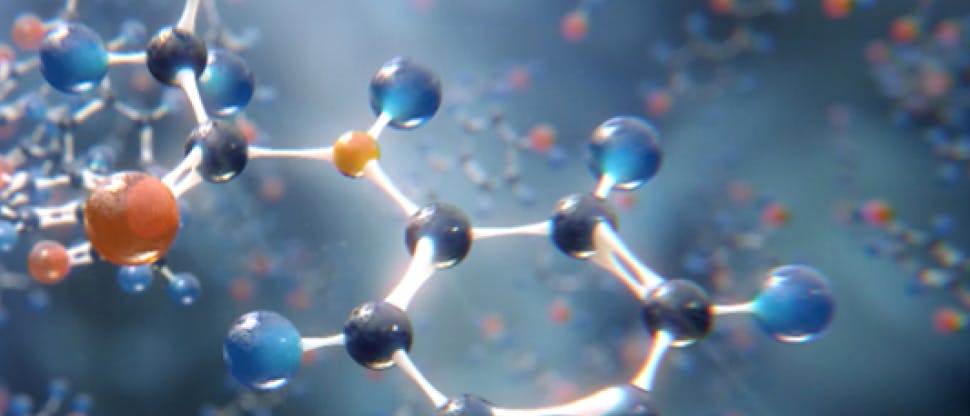
The mechanism of action of paracetamol is complex and involves inhibition of prostaglandins to exert its analgesic effect.1 The antagonism of adenosine receptors and inhibition of cyclo-oxygenase activity at some sites may explain caffeine’s adjuvant properties.2,3
Paracetamol basics
Globally, paracetamol is one of the most used analgesic and antipyretic over-the-counter medicines.1
First discovered in 350 A.D., caffeine was extracted as an active compound in 1819.2
Caffeine basics
Combining caffeine as an analgesic adjuvant to paracetamol helps offer extra strength pain relief (vs. standard paracetamol).4,5
Discover the Panadol range with paracetamol and caffeine

Panadol Extra
Fights 5 types of tough pain - migraine headache, tension headache, period pain, dental pain and muscle aches and pains.5,6
Learn more

Educational resources
Access a variety of resources to learn more on how our products can help your patients.

You show up every day. And we’re with you
We look to partner with health professionals far beyond our brands, to support the work you do each day towards our shared ambition of better everyday health for all.
