

Science Behind OstoCalcium CCM
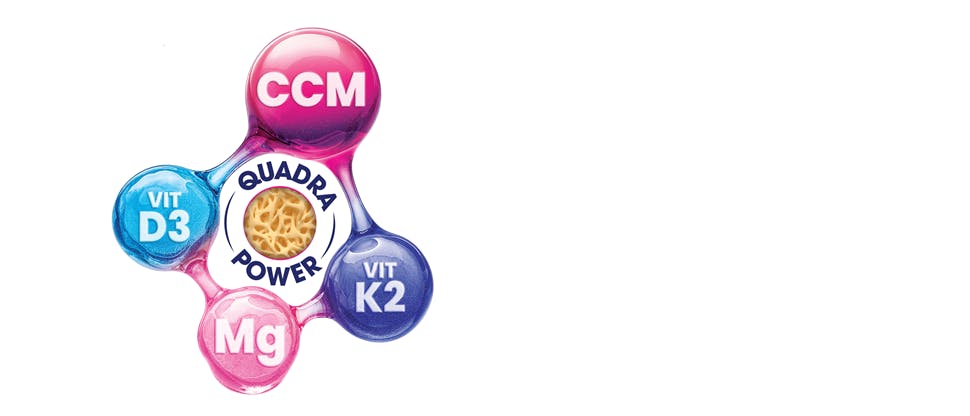
India’s 1st Quadra-Powered High-Density CCM
OstoCalcium CCM brings together Calcium Citrate Malate, Vitamin D₃, Vitamin K₂-MK7 and Magnesium, offering a synergistic multi-nutrient approach to support calcium absorption, bone mineralisation and skeletal strength1,3
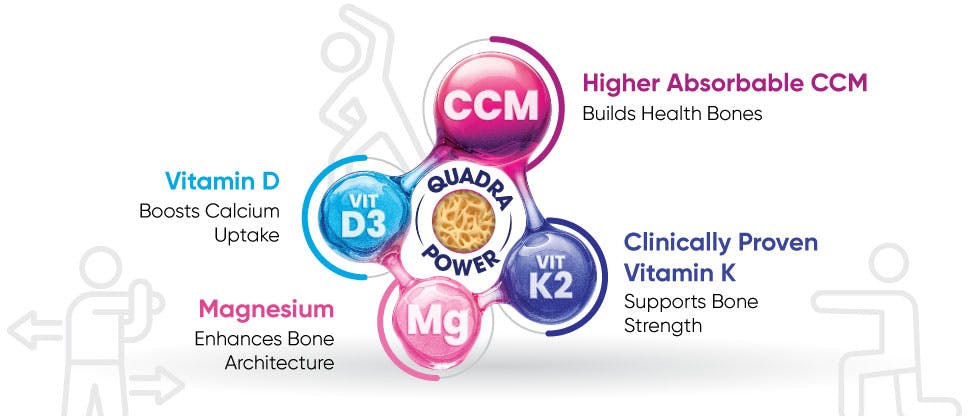
Quadra Benefits

Calcium Citrate Malate
Calcium is the fundamental mineral building block of bone. Insufficient calcium leads to low bone mass and poor mineralization, which increases the risk of osteoporosis and fractures. Calcium supplementation is widely recommended for prevention.6
Why choose CCM over traditional calcium?
CCM demonstrates high aqueous solubility and bioavailability, making it superior to other calcium salts. CCM is approximately 2 times more absorbable (42%)4 than Calcium Carbonate (CaCO3) (22%)4
Unlike calcium carbonate, CCM's absorption does not strictly rely on gastric acid, making it suitable for elderly individuals or those taking medications like Proton Pump Inhibitors (PPIs)4
CCM is associated with better gastrointestinal (GI) tolerability7
Supports calcium retention and bone accrual in adolescents5
Helps consolidate and maintain bone mass in adults5
With Vitamin D, supports reduction in bone loss and fracture risk in older adults5
India’s 1st Quadra-Powered High-Density CCM*
-
Vitamin D

Vitamin D3 is essential for promoting calcium absorption in the gut. It plays a critical role in healthy bone mineralization and preventing hypocalcemic tetany2,8
Vitamin D3 works to restore balance. Deficiency or insufficiency of Vitamin D3 can lead to secondary hyperparathyroidism, which increases bone remodeling and leads to greater bone fragility. Vitamin D3 supplements help curb this secondary hyperparathyroidism.9
Vitamin D3 assists in the essential step of calcium absorption. Clinical studies show that combined calcium and Vitamin D3 supplementation can reduce total fractures by 15% and hip fractures by 30%10,9
-
Magnesium

Magnesium is a vital micronutrient that supports bone health and metabolism.
Magnesium deficiency contributes to osteoporosis by affecting bone crystal formation, PTH activity, and promoting low-grade inflammation. Low Magnesium intake is also linked to decreased Bone Mineral Density (BMD)12 and is associated with reduced osteoblast and osteoclast activity.11,12
Magnesium intake shows a positive correlation with hip BMD. Supplementation can significantly increase levels of osteocalcin and suppress bone turnover markers in postmenopausal osteoporotic women, leading to reduced bone turnover. Magnesium also improves muscle health parameters.12,13,14
-
Vitamin K2

Vitamin K2 (Menaquinone-7 or MK-7) is a necessary cofactor that actively manages where calcium is deposited in the body.
Vitamin K2 (Menaquinone-7 or MK-7) is key for the gamma-carboxylation of two critical proteins:
- Osteocalcin: osteocalcin binds calcium and deposits it into the bone matrix, contributing to bone mineralization and strengthening.
- Matrix Gla Protein: MGP plays a critical role in preventing calcium from accumulating in arteries and soft tissues, promoting its utilization in bone.
Stimulating Bone Formation / resorption
Vitamin K2-MK7 promotes the activity of osteoblasts, forming new bone tissue; inhibits osteoclasts, the cells that break down and resorb bone, thus preventing bone loss.
Clinical studies indicate that
- Vitamin K2 improves BMD, lowers undercarboxylated osteocalcin, raises osteocalcin, and is a safe, beneficial option for treating osteoporosis in postmenopausal women.15
- Combined vitamin D3 and K2, versus calcium alone, appears effective in increasing lumbar spine BMD in postmenopausal women with osteoporosis.16
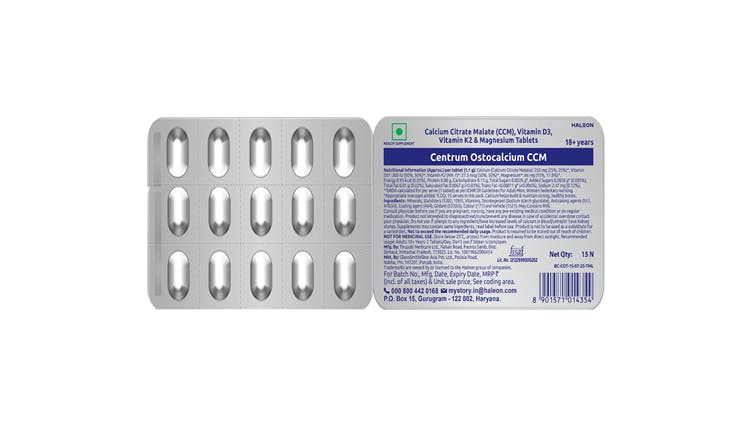
Ostocalcium CCM
It combines Calcium Citrate Malate, Vitamin D₃, Vitamin K₂ and Magnesium to help build and maintain strong, healthy bones
Explore Related Content


Learning Lab
The Learning Lab will feature informative videos, clinical summaries and learning modules.
