Tension-type headache – management

How to manage tension-type headache
Each patient needs to be assessed to determine what it is they have, ruling out signs and symptoms that may indicate other more serious causes of the headache, treating the acute pain and counselling patients on how to avoid triggers.1
Treatment of the acute pain however, can include both non-pharmacological and pharmacological methods.
Management of tension-type headache

Non-pharmacological management for headaches 1,2
Some of these methods could help patients suffering from headaches find relief. Depending on the pain intensity, these might work alone or support better relief together with medications.
Consider recommending a headache diary to your patient This will help them track triggers and also the types of medicines they are on and, how effective they are |
| Advice rest in a dark and quiet room |
| Sleeping can help, if possible |
| Apply a cold compress to the head |
| Learning stress management skills |
| Adjusting lifestyle such as reducing caffeine intake, ensuring regular exercise and avoiding irregular or inadequate sleep |
Understanding headaches


Learn about the causes and triggers
Discover the causes and triggers for the more common types of primary headache disorders – tension type headache

How do they present?
Find out the signs and symptoms of tension-type headache. Learn to differentiate them and learn about “red flag” symptoms that indicate a referral to a doctor.
Learn more

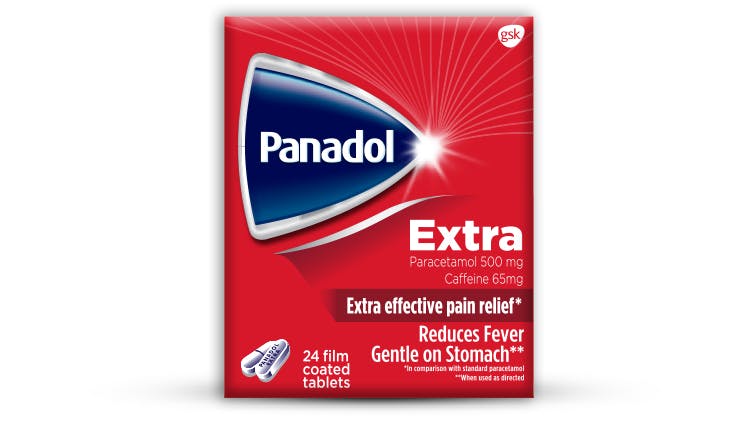
Panadol Extra
Is recommended for use as an analgesic in the relief of mild to moderate pain such as is associated with rheumatism (i.e. joint pain), neuralgia, musculoskeletal disorders, headache, backache and symptoms of colds, influenza, sore throat, feverishness, feverish colds, toothache and dysmenorrhoea.4